Losing weight in menopause is hard—regain control with Noom + HRTRx




It’s time for trusted menopause care you deserve
- 50 million women in the U.S. are currently in menopause
- 70% who seek treatment do not receive the care they need1
Feeling better starts with being heard.
You deserve to navigate menopause with knowledge and compassionate care. Noom is here to help.

How your hormones change during menopause
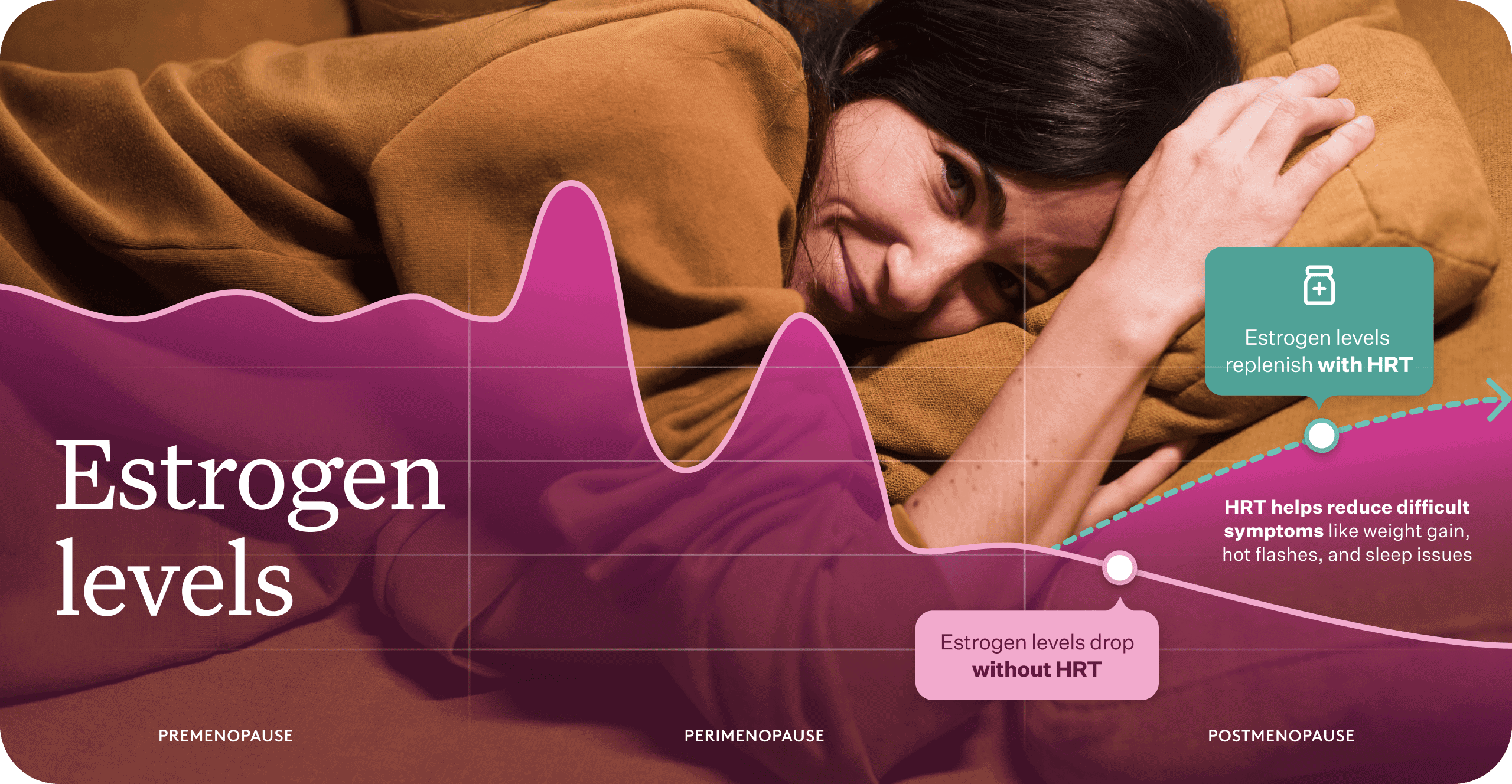
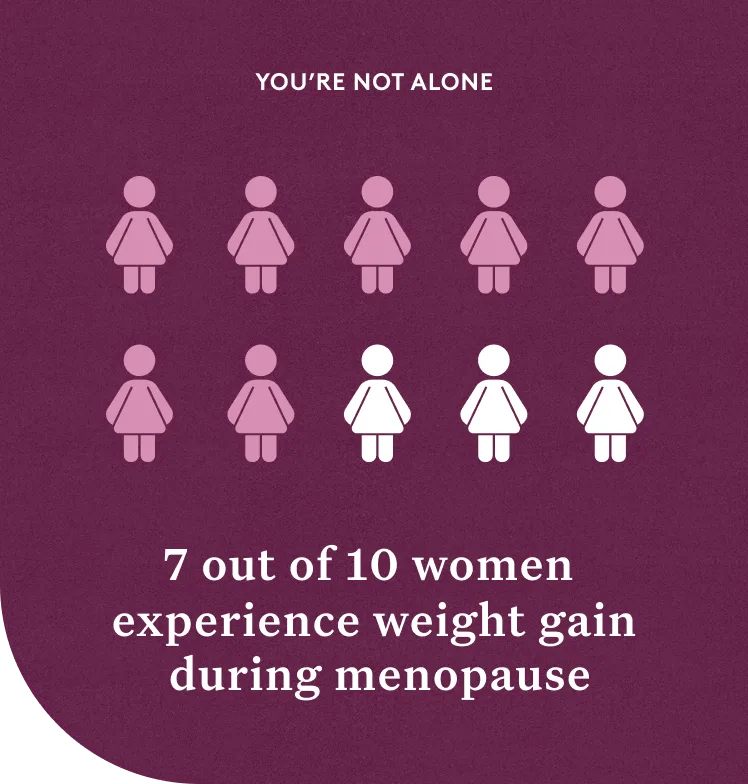
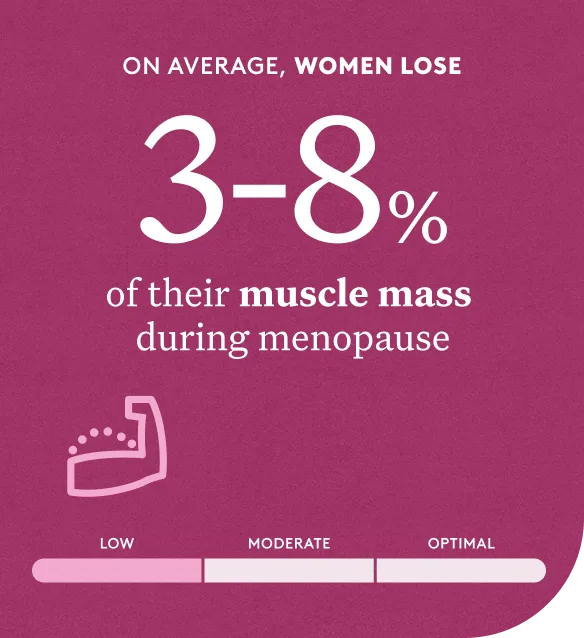
As menopause approaches, estrogen levels begin to fluctuate. This can lead to changes like decreased muscle and increased fat mass, fat tissue accumulating around the abdomen, shifts in metabolism, and more. These shifts can negatively affect how the body metabolizes sugar and fat, and also cause more intense hunger signals—often leading to weight gain.2,3
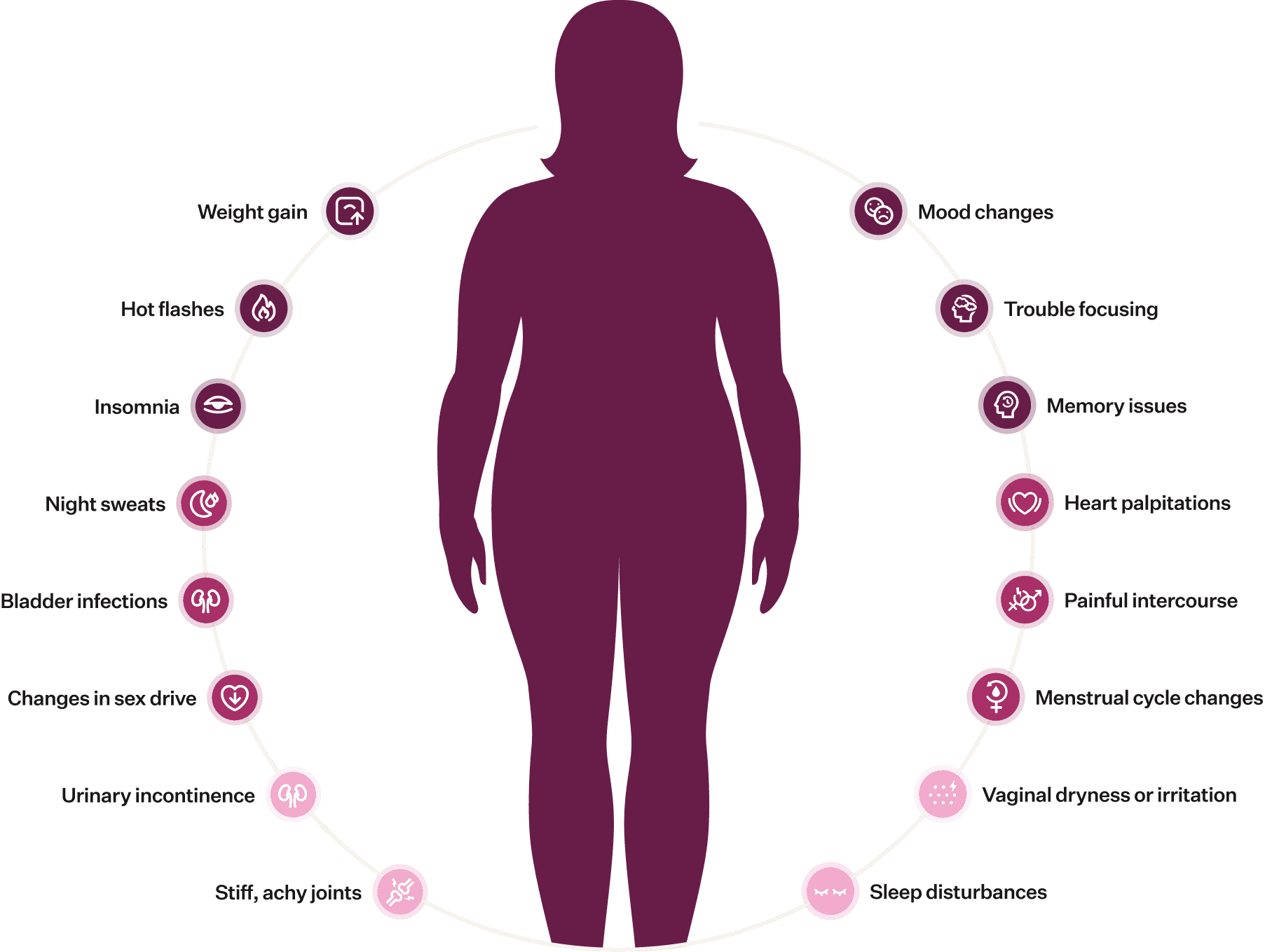
Fluctuating hormone levels can also cause symptoms like mood changes, hot flashes, sleep disturbances, and more, making weight loss even more difficult. For example, it’s hard to exercise when you’re feeling lethargic, and it’s difficult to sleep when you’re having night sweats, which can make it harder to lose weight.


Regain control with holistic hormone replacement therapy
Losing weight during menopause can be difficult—but it doesn’t have to be.
HRT helps replenish your hormone levels. This can ease symptoms and provide much needed relief.
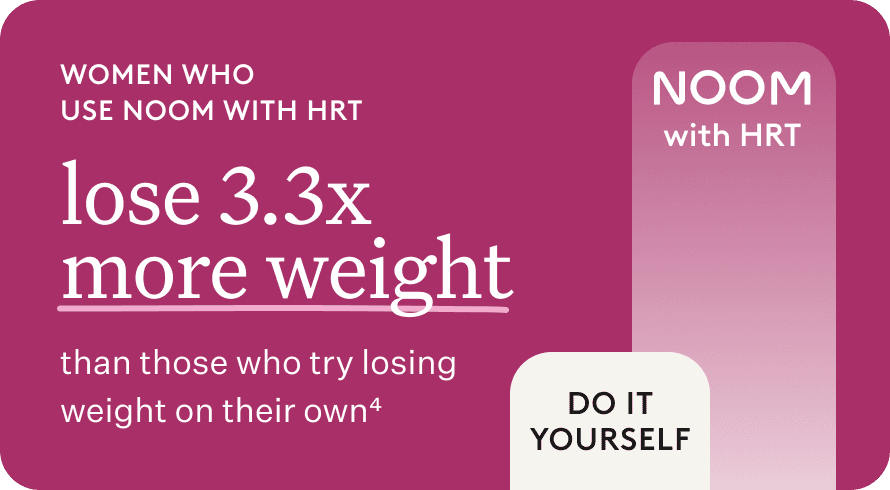
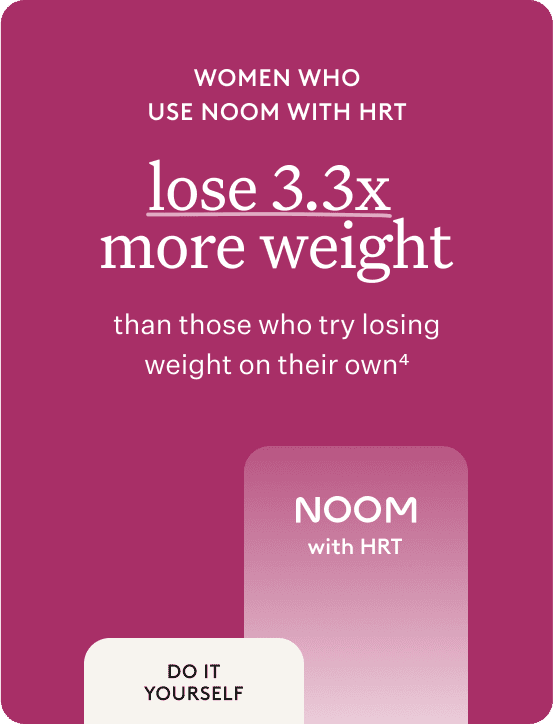
When you combine your personalized HRT plan with Noom’s award-winning behavior change program, it becomes much easier to lose weight—and keep it off.
How HRT can help improve your day-to-day
By replenishing declining hormones, HRT can help provide relief for a wide range of menopause symptoms, including:
HRT: In it for the long haul
Feeling good day to day is a game-changer. But HRT can also be life-changing. Research suggests HRT can also help with:






Noom’s expertise in menopause care
-

Dr. Julia Edelman, MD
Executive Director of Women’s Health
Explore Dr. Julia Edelman, MD's blog posts
-

Dr. Karen Mann, MD
Medical Director
Explore Dr. Karen Mann, MD's blog posts
-

Yalda Olcott, PharmD
Head of Healthcare and Pharmacy Operations
Explore Yalda Olcott, PharmD's blog posts








Learn more about menopause, HRT, and how Noom can help







Feb
17
2025
Menopause and joint pain: Causes and treatments


Dec
16
2024
How to stop taking Ozempic® safely

Dec
16
2024
8 misconceptions about using HRT for menopause
Frequently Asked Questions

What can I expect after starting HRT and when will I feel a difference?
Many people notice improvements in menopause symptoms fairly quickly—reporting fewer hot flashes, weight loss, improved mood, and better sleep—often within weeks.
What are the potential side effects?
Common side effects can occur, such as bloating, tenderness in the breasts, and temporary vaginal bleeding or spotting. Noom’s clinicians are here to help you manage side effects, which could include tailoring your prescription. Side effects can be similar to what’s experienced at certain times during the menstrual cycle, in pregnancy, or with the use of hormonal contraceptives like birth control pills.
How is HRT administered?
HRT can include patches, creams, gels, sprays, and/or pills. Patches, creams, gels, and sprays deliver hormones gradually through the skin while pills are taken orally. Patches typically require just one or two changes per week, while the other forms are generally taken daily.
Why is Noom prescribing HRT?
Hormone replacement therapy has been shown to improve metabolic health in menopausal women, including insulin sensitivity and fasting glucose. It has additionally been shown to improve healthy body composition and fat distribution, improving visceral adiposity.
When your hormone levels are unbalanced, it can also make weight loss extra difficult. Research shows that hormone balancing can provide symptom relief and amplify weight loss achieved with Noom’s proven behavior-change approach.
How do I use Noom + HRT Rx products?
Please visit noom.com/med/how-to-use-hrt.
Is HRT only intended for those experiencing severe menopause symptoms?
HRT is primarily recommended for people with moderate to severe symptoms, but can also be a good option for those with mild symptoms.
I have a healthy diet. Will I still gain weight during menopause?
Even with a healthy diet, hormonal fluctuations can cause weight gain during menopause due to changes in your metabolism. Lowered estrogen levels can also cause fat tissue to increase around the abdomen—even if you don’t gain weight.
Is it true that once you start HRT, you can never stop?
HRT is often recommended for the shortest time necessary to manage your symptoms, and you can stop at any time. Be sure to consult your clinician about the best way to taper off to avoid any abrupt changes.
Will my risk of breast cancer go up using hormones?
Unfortunately for women’s health, there remains conflicting information in the market about breast cancer risk and HRT, so it’s important to know the facts. There was a controversial study that ended in 2002, known as the Women’s Health Initiative (WHI), that many consider to have been flawed. This study caused a lot of concern around HRT treatment because it reported a link between HRT and breast cancer, which many now believe does not exist or is not applicable to today’s treatment methods. As a result of the study, millions of women (and their doctors) abandoned effective HRT treatment nearly overnight. Since then, we have heard from many researchers, including some involved in the WHI, who believe this study overstated the risks, was misleading, and failed to bring attention to the overall benefits of HRT for most women.
For instance, it was found that women in the WHI study who used estrogen-only HRT (prescribed to patients without a uterus) actually showed a reduced risk of breast cancer. And overall, the data showed no increase in cancer deaths for women on HRT. A more recent study from the UK found that women who used estrogen-only HRT and women who used estrogen with bioidentical progesterone (the modern treatment that Noom and many other providers prescribe today) had no increased risk of breast cancer at all.
Finally, a comprehensive analysis of many studies, including the WHI’s own data, showed that HRT reduces mortality risk (deaths from any cause) when HRT is initiated within 10 years of menopause and/or under 60 years of age.
- Sarrel, P. et al., Incremental direct and indirect costs of untreated vasomotor symptoms. https://pubmed.ncbi.nlm.nih.gov/25714236/
- Williams, Rachel E. et al. Healthcare seeking and treatment for menopausal symptoms in the United States. https://pubmed.ncbi.nlm.nih.gov/17964093/
- Lizcano, F. Roles of estrogens, estrogen-like compounds, and endocrine disruptors in adipocytes. https://pmc.ncbi.nlm.nih.gov/articles/PMC9533025/
- Based on a comparison of 200 Noom Healthy Weight users experiencing active menopausal symptoms and utilizing hormone replacement therapy and women experiencing active menopausal symptoms receiving bi-monthly education on weight loss in an independent third party study.
- Menopause: The Journal of The North American Menopause Society Vol. 29, No. 7, pp. 767-794 DOI: 10.1097/GME.0000000000002028. https://menopause.org/wp-content/uploads/professional/nams-2022-hormone-therapy-position-statement.pdf