Breaking Down Green-Yellow-Orange

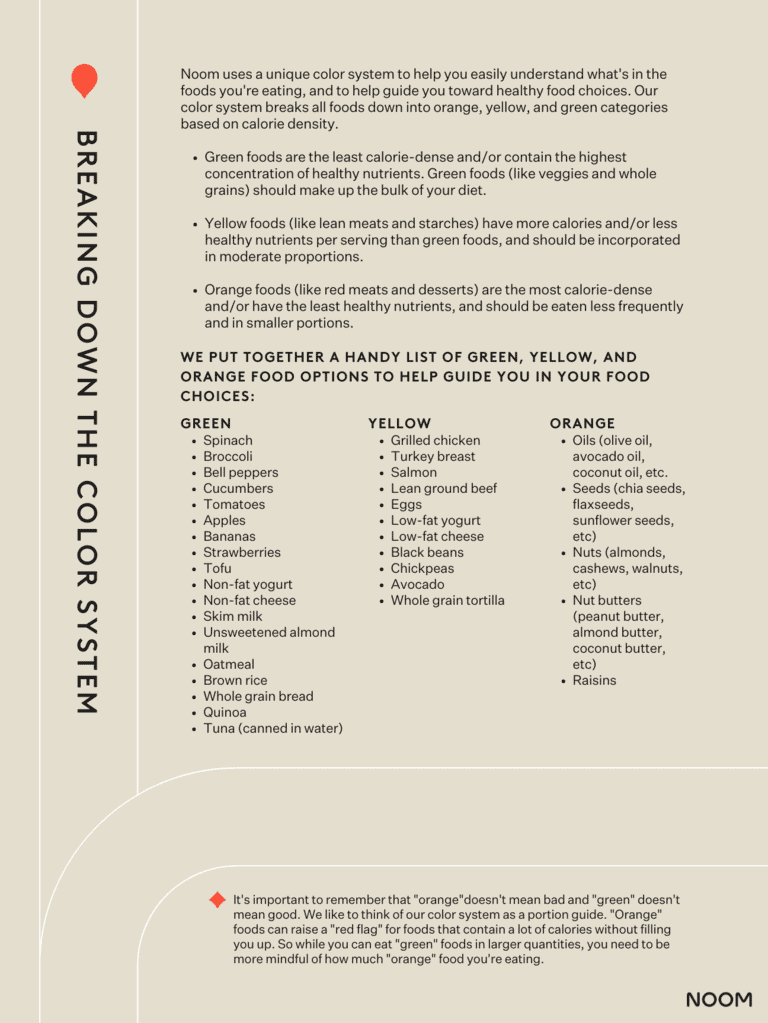
GreenYellowOrange
  • Spinach
  • Brocoli
  • Bell Peppers
  • Cucumbers
  • Tomatoes
  • Apples
  • Bananas
  • Strawberries
  • Tofu
  • Non-fat yogurt
  • Non-fat cheese
  • Skim milk
  • Unsweetened almond milk
  • Oatmeal
  • Brown rice
  • Whole grain bread
  • Quinoa
  • Tuna (canned in water)
  • Grilled chicken
  • Turkey breast
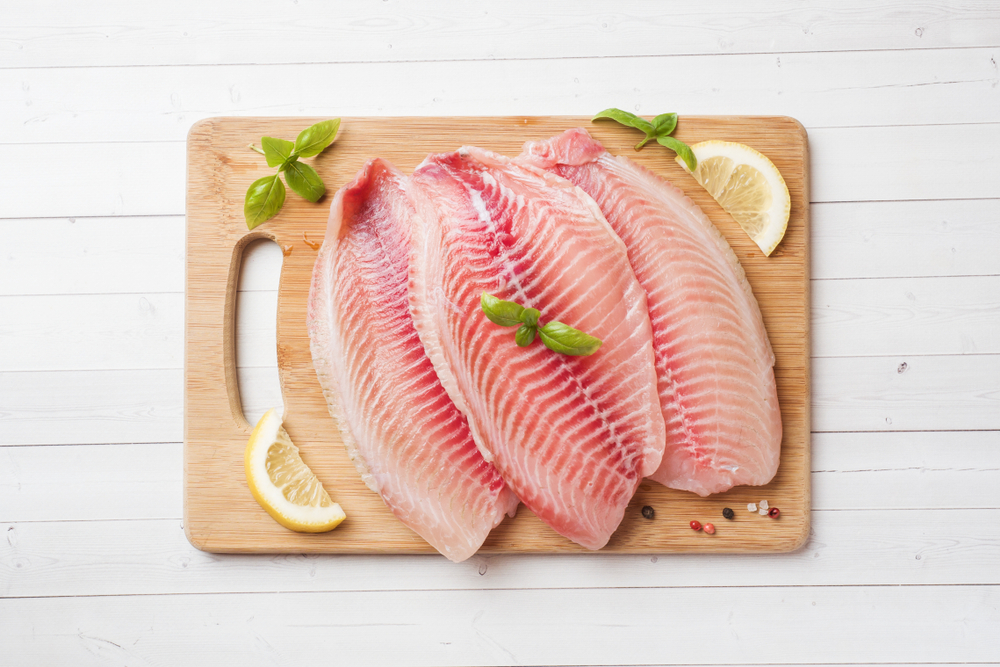
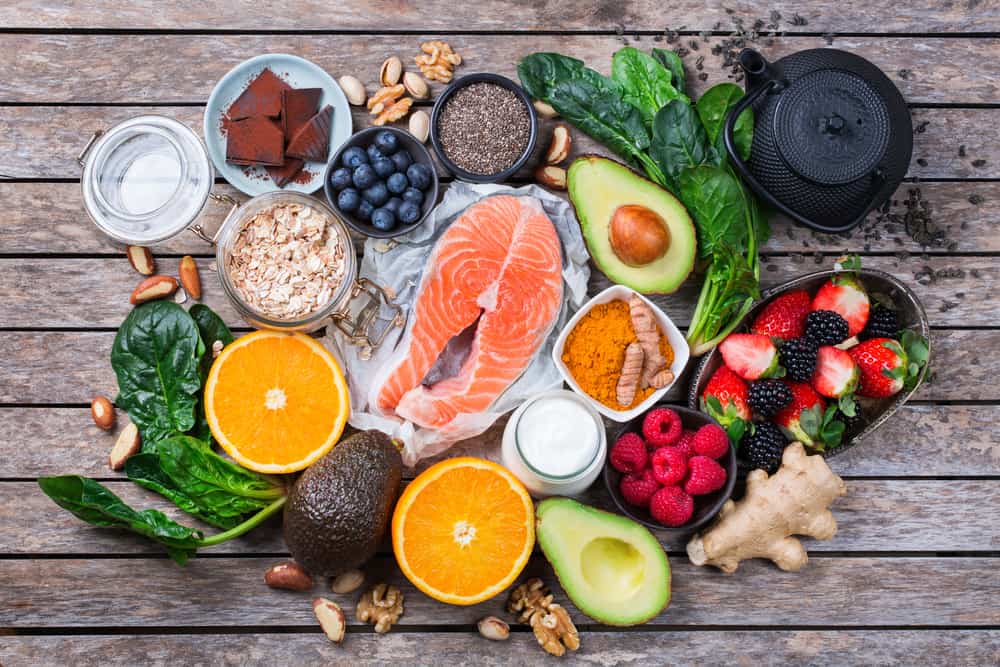
  • Salmon
  • Lean ground beef
  • Eggs
  • Low-fat yogurt
  • Low-fat cheese
  • Black beans
  • Chickpeas
  • Avocado
  • Whole grain tortilla
  • Oils (olive oil, avocado oil, coconut oil, etc)
  • Seeds (chia seeds, flaxseeds, sunflower seeds, etc)
  • Nuts (almonds, cashews, walnuts, etc)
  • Nut butters (peanut butter, almond butter, coconut butter, etc)
  • Raisins
  • * It’s important to remember that “orange” doesn’t mean bad and “green” doesn’t mean good. We like to think of our color system as a portion guide. “Orange” foods can raise a “red flag” for foods that contain a lot of calories without filling you up. So while you can eat “green” foods in larger quantities, you need to be more mindful of how much “orange” food you’re eating.

    Editorial standards

    At Noom, we’re committed to providing health information that’s grounded in reliable science and expert review. Our content is created with the support of qualified professionals and based on well-established research from trusted medical and scientific organizations. Learn more about the experts behind our content on our Health Expert Team page.
    Reach your weight-loss goals and start living your healthiest life.

    Join the millions who have discovered that Noom is the smartest way to not only lose more weight—but also keep it off—to live better, longer.