Safety Information for Liraglutide
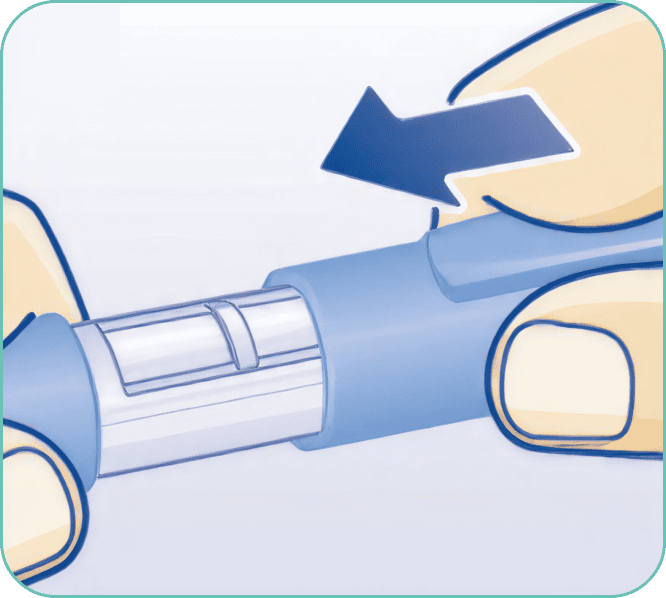
Step-By-Step Instructions for Injecting Your Medication
More Than Meds
Noom GLP-1Rx Program is More Than Meds. It’s a comprehensive solution that combines medication with a powerful program for healthy lifestyle change. With the Noom GLP-1Rx Program you can:
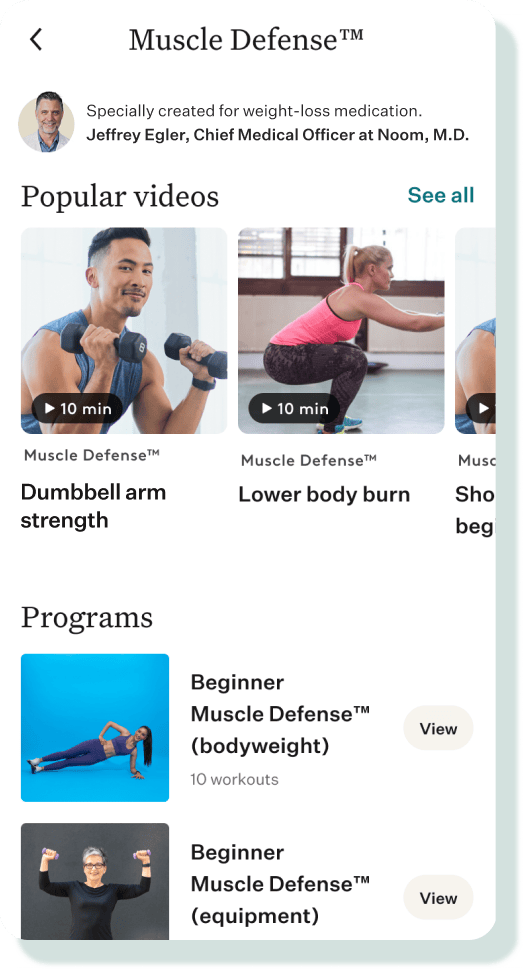
Keep the muscle,
lose the fat
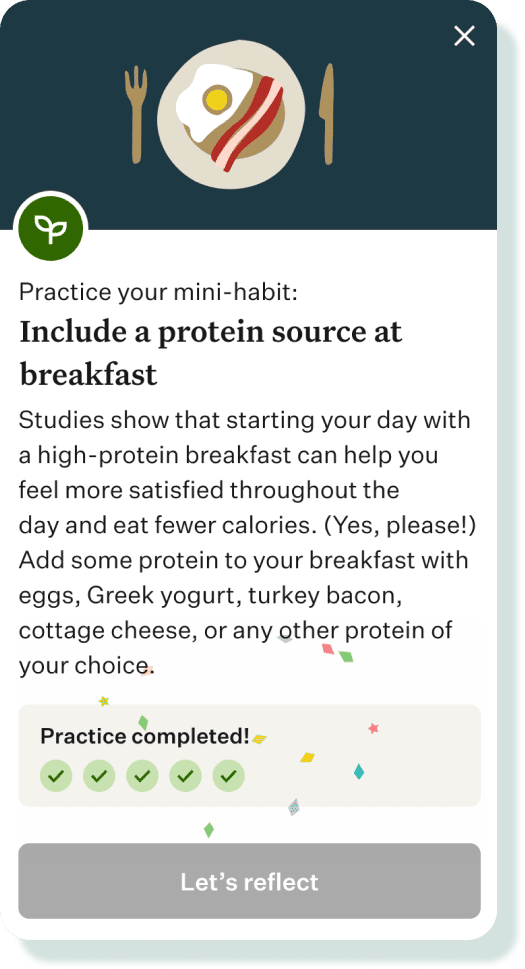
Develop
healthy habits
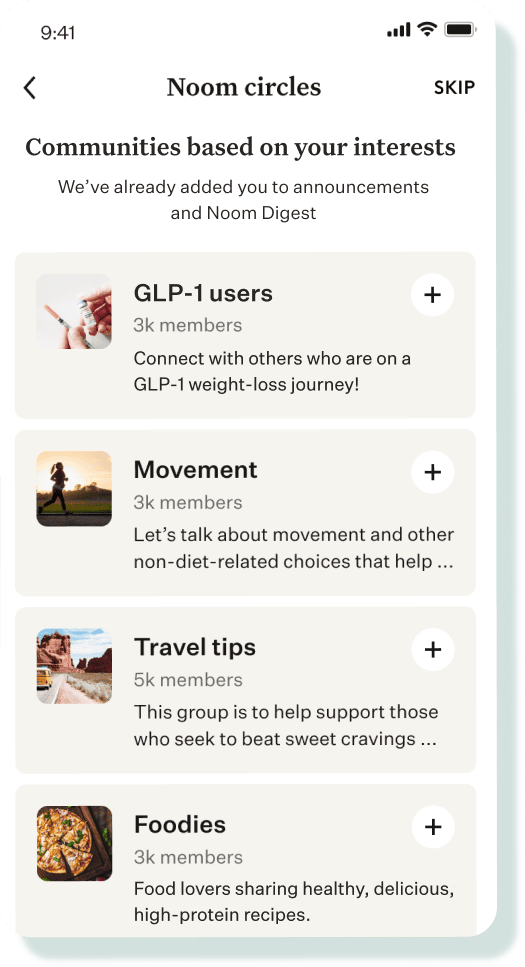
Find support
in community
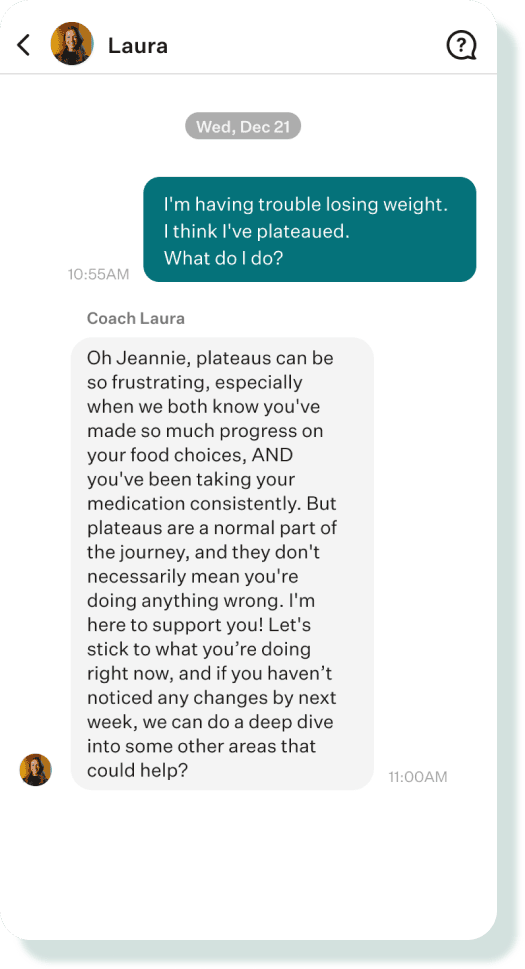
Ask your
1:1 coach anything
What’s in the Box
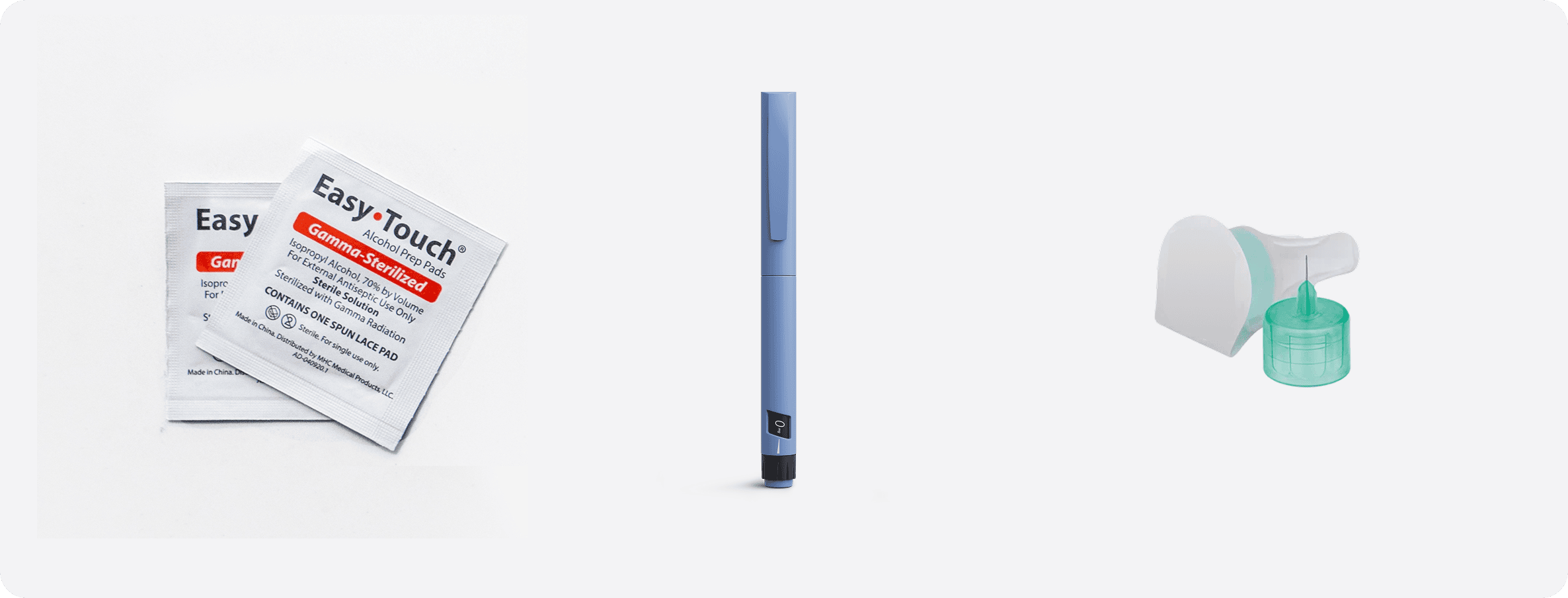
Alcohol Swabs
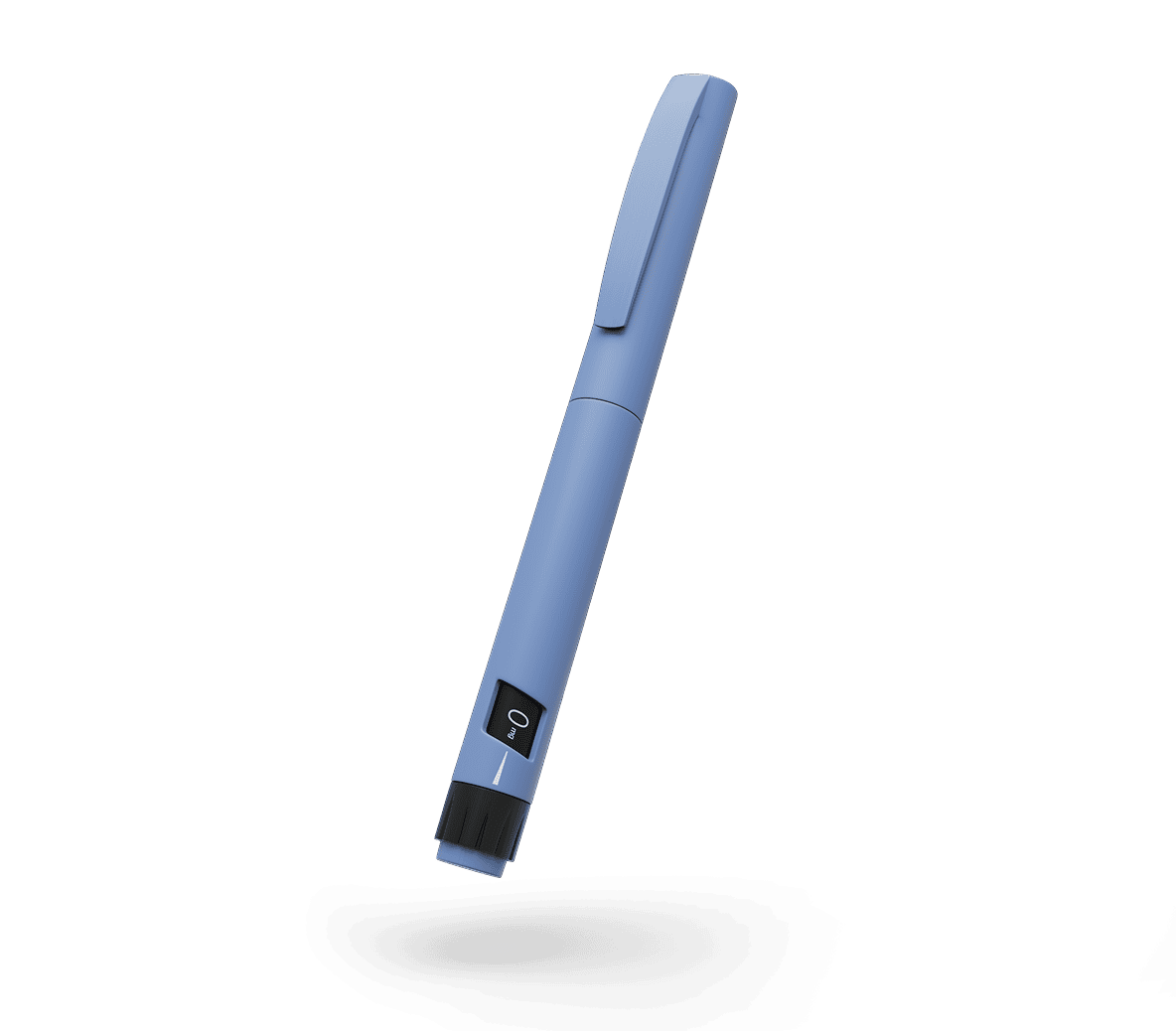
Liraglutide Pen
Pen Needles
How a GLP-1 Works
Liraglutide mimics the effects of the GLP-1 hormone. It works by:

Enhancing insulin secretion and inhibiting glucagon release.

Slowing the movement of food through the gut.

Reducing appetite.

Signaling a feeling of fullness.
As a result, you feel fuller faster, which can ultimately lead to sustained weight loss.
FAQs
What is liraglutide?
Liraglutide belongs to a class of medications called glucagon-like peptide-1 (GLP-1) agonists. In addition to eating a healthy diet and exercising, taking liraglutide can help people lose excess weight.
What do I do if I have side effects?
If you experience severe side effects, message your clinician via the Noom app right away.
If you’re having a medical emergency, call 911 or your local emergency services immediately.
For tips and support with mild side effects, navigate to the ‘Manage Your Side Effects’ section in the Noom app.
How does dosing work?
Your dose and titration will vary based on your personal health history. Review your treatment plan in your clinician chat carefully to confirm your dosing instructions prior to injecting your medication.
What do I do if I miss a dose?
Ideally, you’ll never miss a dose. But sometimes life gets in the way. If you skip or miss a dose of your medication, here’s what to do:
If you miss a dose, take your next daily dose as usual on the following day.
Don’t administer double doses of liraglutide to make up for the missed dose.
If you’ve missed three or more doses, reach out to your clinician for instructions on how to restart your medication.
How do I store my medication?
Store your medication in the refrigerator, away from heat, moisture, and direct sunlight. Don’t freeze it.
Once you start using your pen, you’ll need to discard it after 30 days, even if there’s some medication left.
Follow these steps to dispose of your medication in the trash:
- Remove all personal information on the prescription label.
- Throw the pen in a sharps container or heavy-duty, hard-sided container with a lid (the same one you use to discard your pen needles).
What if the ice pack in my packaging has melted?
Your medication is stable at room temperature for up to 30 days. But it’s best to contact your Care Coordination team with any concerns.
What should I do with the pen needle after use?
Discard your used pen needle in a heavy-duty, hard-sided container with a lid, such as an empty laundry detergent bottle. Keep this container away from children and pets.
When your container is full, you can take it to a disposal site near you.
What do I do if I have to travel?
Plan ahead
Make sure you have enough medication and supplies, plus a little extra, to last your entire trip.
Pack properly
- If you’re traveling by car or train, explore using a portable cooler or insulated bag.
- If you’re traveling by plane, pack your medication and supplies in your carry-on rather than a checked bag.
- Leave your medication and supplies in their original packaging.
Know airport security protocols
You can take your medication and all your supplies through security. Just be sure to give yourself extra time to allow for the screening of these items.
Know international rules and regulations
Each country has its own laws and regulations for medications. Make sure to do your research before you travel. You can check with the embassy of your destination to make sure your GLP-1 is permitted.
Avoid extreme temperatures
Extreme temperatures—whether in the trunk of your car or a plane’s cargo hold—can make your medication less effective. So, avoid exposing your medication to extreme heat or cold.
Store correctly
Put your medication in the refrigerator as soon as you reach your destination.
How is the Noom GLP-1Rx Program different from other weight-loss programs?
Noom Med combines the power of Noom’s proven behavior change weight-loss program with the latest advancements in medical weight-loss technology.
Our goal is not to sell more medications—it’s to drive sustainable weight-loss outcomes.
Is there any important safety information I should know?
Risks
Medications in the GLP-1 family have caused thyroid tumors in lab mice. It is not yet known if medications in the GLP-1 family will cause thyroid tumors or medullary thyroid carcinoma (MTC) in people.
No studies have confirmed a link between GLP-1 medications and thyroid tumors in humans. However, if you have a family history of thyroid cancer, you may want to discuss taking a GLP-1 with your primary care doctor.
If you develop any of the following while taking liraglutide, please immediately notify your Noom Med clinician and stop taking the medication:
- Sudden vision changes (Medications that alter blood sugar can have various effects on vision and should be evaluated promptly by an eye doctor.)
- Mass or swelling in the neck
- Persistent pain or difficulty with swallowing
- Persistent hoarseness
- Persistent vomiting
Do not use liraglutide if:
- You have or had an eating disorder such as binge eating disorder, anorexia nervosa, or bulimia.
- You have a personal or family history of the following conditions:
- Medullary thyroid carcinoma (MTC)
- Multiple endocrine neoplasia type 2 syndrome (MEN-2)
- You have a personal history of the following conditions:
- Diabetic retinopathy
- Pancreatitis
- Gallbladder disease (This does not include a cholecystectomy, or gallbladder removal.)
- Severe gastrointestinal disease, such as ulcerative colitis or gastroparesis
- You are currently pregnant or breastfeeding, or are planning to become pregnant.
- You have a history of drug or alcohol misuse.
- You have undergone bariatric surgery within the past 6 months.
Interactions
Liraglutide can interact with other medications, including insulin and insulin-releasing medications, which can result in low blood sugar. Consult with your Noom Med clinician before starting or stopping any medication.
GLP-1s and fertility
GLP-1s can increase fertility. Please ensure you’re taking an effective form of birth control, if applicable, to avoid pregnancy while on a GLP-1. Don’t take a GLP-1 if you’re currently pregnant or breastfeeding. If you become pregnant, please stop taking the medication and notify your Noom Med clinician immediately.
Surgery
If you have an upcoming surgery or other medical procedure, talk to your surgeon about what is safe. You may need to stop using liraglutide temporarily to avoid complications.
Side effects
All medications may cause side effects. However, many people have no side effects or only minor side effects. Contact your Noom Med clinician or get medical help if these or any other side effects bother you or don’t go away:
- Nausea
- Vomiting
- Indigestion
- Headache
- Fatigue
- Bloating
- Constipation
Rare adverse events
Liraglutide can cause serious side effects, although they’re rare. If you notice any of the signs or symptoms listed below, get medical help right away, as they could signal a serious or life-threatening problem:
- An allergic reaction (e.g., rash, chest tightness, trouble breathing, swelling of the mouth or throat).
- Severe dehydration (e.g., dizziness or passing out, fast heartbeat).
- Kidney problems (e.g., change in how much urine is passed, blood in the urine, or leg swelling).
- Gallbladder problems (e.g., pain in your belly, right shoulder area, or between the shoulder blades; pale-colored stools; dark urine; yellow skin or eyes; fever or chills).
- Low blood sugar (e.g., dizziness, feeling sleepy or weak, shaking, confusion, hunger, or sweating).
- Severe pancreas problems (e.g., severe stomach or back pain or vomiting).
- Sudden vision changes.
- Mood changes, like depression or thoughts of suicide.
- Increase in heart rate.
Customer Support
- If you think you’re having a medical emergency, call 911 immediately.
- For questions about your medication dosage, side effects, or your treatment plan, please contact your clinician within the Noom App.
- For questions about your medication order, please contact your Care Coordination team within the Noom App.
- For questions about billing and your Noom subscription, please email customer support at noommed@noom.com.